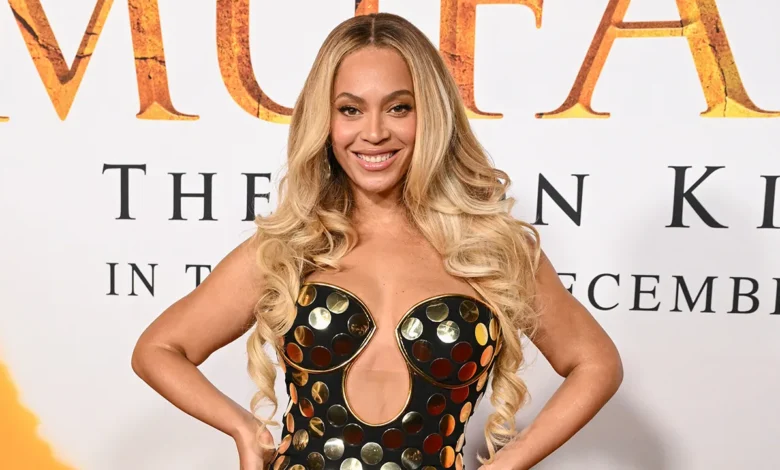
Beyoncé Knowles-Carter is more than a global music icon. She is a powerful brand, a strategic businesswoman, and one of the most influential entertainers of all time. Over the past two decades, her career has expanded far beyond music into fashion, film, endorsements, and investments. This article provides a detailed, expert-level breakdown of Beyoncé’s wealth, how she built it, and what continues to grow her financial empire today.
Beyoncé’s Rise to Global Stardom
Early Life and Musical Beginnings
Beyoncé Giselle Knowles was born in Houston, Texas, and showed exceptional musical talent from a very young age. Her parents recognized her potential early and invested time and resources into nurturing her abilities. This early support laid the foundation for a career that would later redefine the music industry.
Her first major exposure came through local talent shows, where she quickly stood out for her powerful voice and stage presence. These early performances were not just artistic milestones but also the beginning of her professional discipline and work ethic.
Before financial success entered the picture, Beyoncé spent years honing her craft. She learned about performance, competition, and resilience, all of which would later influence her business mindset. These formative years played a critical role in shaping her long-term success.
Even at a young age, she understood the importance of ownership and control. That awareness would later become a defining theme in how she structured her career and managed her earnings.
Destiny’s Child and Breakthrough Success
Beyoncé’s rise accelerated with the formation of Destiny’s Child, one of the best-selling girl groups in history. The group achieved massive commercial success with multiple chart-topping albums and global tours. This period marked Beyoncé’s first significant income stream.
Album sales, touring revenue, and brand partnerships during the Destiny’s Child era brought in millions. More importantly, it gave Beyoncé firsthand experience with large-scale contracts and the music business at a high level.
While the group faced internal changes and challenges, Beyoncé emerged as a clear leader. Her ability to adapt and stay focused helped her transition smoothly into the next phase of her career.
Destiny’s Child was not just a musical success; it was a financial training ground. The lessons learned during this time helped Beyoncé prepare for the far greater wealth she would generate as a solo artist.
Solo Career and Music Revenue
Album Sales and Streaming Income
Beyoncé’s solo career transformed her from a star into a global powerhouse. Each album release became a cultural event, generating massive revenue from physical sales, digital downloads, and streaming platforms.
Her decision to release music in innovative ways, including surprise album drops, changed industry norms. These strategies increased profit margins by reducing marketing costs while maximizing consumer impact.
Streaming has become a major contributor to her income. With billions of streams across platforms, Beyoncé earns consistent royalty revenue long after each album release.
Beyond direct music sales, her ownership of master recordings allows her to retain a larger share of profits. This level of control is a key reason why Beyoncé net worth has grown steadily over time.
Tours and Live Performances
Touring is one of Beyoncé’s most lucrative income sources. Her live performances are known for their scale, precision, and artistic excellence, allowing her to command premium ticket prices.
World tours generate hundreds of millions of dollars in gross revenue. After expenses, a significant portion flows directly into her personal earnings, especially because she often acts as a producer of her own tours.
Her performances at major events and festivals further boost her income. These appearances reinforce her brand value while adding to her annual revenue.
Live performances also increase demand for merchandise, which represents another profitable revenue stream tied closely to her tours.
Business Ventures and Investments
Fashion and Beauty Brands
Beyoncé has successfully expanded into fashion and beauty, turning her personal style into profitable businesses. Her fashion ventures reflect her commitment to creativity, inclusivity, and ownership.
These brands generate revenue through direct-to-consumer sales and strategic partnerships. Unlike traditional celebrity endorsements, Beyoncé maintains significant creative and financial control.
Her beauty-related projects align with her global image and attract a diverse customer base. This alignment strengthens brand loyalty and long-term profitability.
By reinvesting earnings into her own companies, Beyoncé ensures that her wealth continues to grow independently of music sales alone.
Strategic Investments and Ownership
Beyond entertainment, Beyoncé has made smart investments in various industries. These include technology, beverages, and lifestyle brands that offer long-term growth potential.
Rather than accepting one-time endorsement fees, she often negotiates equity deals. This strategy allows her to benefit directly from a company’s success.
Her investment approach is calculated and patient. She focuses on brands that align with her values and have strong growth prospects.
These strategic decisions significantly contribute to Beyoncé net worth by creating passive income streams that appreciate over time.
Film, Television, and Media Projects
Acting and Voice Roles
Beyoncé’s involvement in film and television has added another layer to her income portfolio. She has appeared in major motion pictures and provided voice work for globally successful animated films.
These roles often come with high upfront fees as well as backend participation, increasing total earnings. Her star power also boosts a project’s commercial appeal.
Acting allows Beyoncé to reach new audiences while diversifying her professional identity. This diversification strengthens her brand and financial stability.
Each successful project adds not only direct income but also long-term brand equity that supports future ventures.
Production and Creative Control
In recent years, Beyoncé has focused heavily on producing her own content. This includes documentaries, visual albums, and exclusive media projects.
By serving as an executive producer, she retains creative authority and a larger share of profits. This model contrasts sharply with traditional artist contracts.
Her production projects often secure exclusive distribution deals, generating substantial upfront payments and ongoing royalties.
This shift toward ownership-driven media creation is a major factor in the continued rise of her wealth.
Brand Endorsements and Partnerships
High-Value Endorsement Deals
Beyoncé has partnered with some of the world’s most recognizable brands. These deals often involve multimillion-dollar contracts that go beyond simple advertising.
Her endorsements are carefully selected to maintain brand integrity. She avoids overexposure, which helps preserve her premium image.
Many of these partnerships include creative input and long-term collaboration, increasing their overall value.
Endorsement income remains a consistent contributor to her annual earnings.
Equity-Based Collaborations
One of Beyoncé’s smartest financial moves has been negotiating equity instead of cash payments. This approach allows her to benefit from a company’s long-term success.
Equity stakes can far exceed the value of traditional endorsement fees, especially when brands experience rapid growth.
This strategy demonstrates her understanding of wealth building beyond immediate income.
Such collaborations play a key role in expanding Beyoncé net worth through asset appreciation rather than short-term gains.
Real Estate and Luxury Assets
Property Portfolio
Beyoncé owns an impressive collection of real estate properties. These homes are located in some of the most valuable markets and represent both lifestyle and investment assets.
Luxury properties often appreciate significantly over time, adding to her overall wealth.
Her real estate choices reflect a balance between privacy, security, and long-term value.
Property ownership also provides diversification, reducing reliance on entertainment income alone.
Art, Jewelry, and Collectibles
In addition to real estate, Beyoncé holds valuable personal assets such as fine art and high-end jewelry. These items often increase in value and serve as alternative investments.
Luxury collectibles are increasingly viewed as wealth preservation tools among high-net-worth individuals.
These assets contribute to her net worth while reflecting her personal taste and cultural influence.
Such holdings further solidify her status as a diversified and sophisticated investor.
Philanthropy and Financial Influence
Charitable Giving
Beyoncé is known for her philanthropic efforts, supporting causes related to education, disaster relief, and social justice.
While philanthropy is not a direct income source, it enhances her public image and reinforces brand trust.
Her charitable initiatives are often funded through her own foundations, allowing for strategic and transparent giving.
This approach reflects a long-term vision where wealth is used to create meaningful impact.
Cultural and Economic Impact
Beyoncé’s influence extends beyond finances. She has reshaped how artists approach ownership, contracts, and creative control.
Her success has inspired a new generation of entertainers to prioritize financial literacy and independence.
This broader impact strengthens her legacy and ensures continued relevance in both cultural and business spheres.
Influence itself is an intangible asset that supports future earning potential.
Frequently Asked Questions (FAQs)
1. What is Beyoncé’s primary source of income?
Her primary income sources include music sales, touring, business ventures, and investments, with touring and ownership-driven projects generating the largest returns.
2. Is Beyoncé a billionaire?
While her combined household wealth with Jay-Z exceeds a billion dollars, Beyoncé individually is just below that milestone as of recent estimates.
3. How does Beyoncé earn money outside of music?
She earns through fashion and beauty brands, film projects, endorsements, equity investments, and real estate holdings.
4. Does Beyoncé own her music?
Yes, she owns or controls a significant portion of her master recordings, which allows her to retain more profits.
5. How important are investments to her wealth?
Investments play a major role, especially equity-based deals that generate long-term returns.
6. Has philanthropy affected her net worth?
While philanthropy involves giving, it represents a small portion of her overall wealth and does not significantly reduce her net worth.
7. Why is Beyoncé considered a smart businesswoman?
Her focus on ownership, equity, diversification, and creative control sets her apart from traditional celebrity earners.