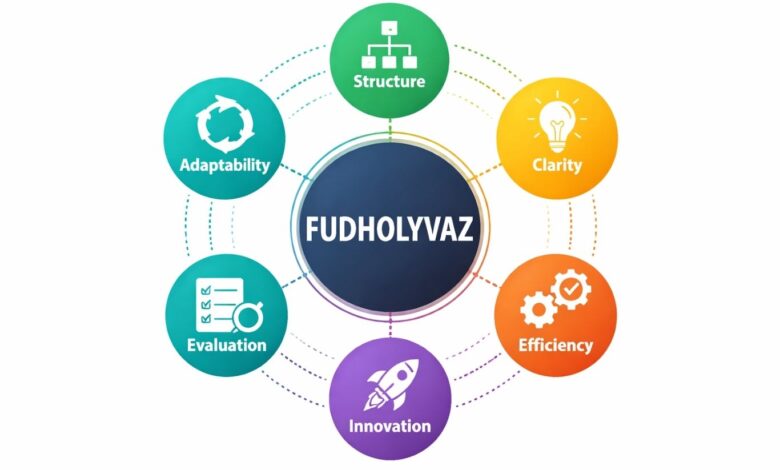
In the fast-evolving digital and conceptual landscape, new terms often emerge that spark curiosity, debate, and practical interest. One such term is fudholyvaz, which has gradually gained attention across various discussions due to its adaptable nature and broad application potential. While it may sound unfamiliar at first, understanding it can provide clarity and value in multiple contexts.
This in-depth guide is designed to give you a complete, expert-level understanding in a simple and human-friendly way. You will learn what it represents, how it works, why it matters, and how it can be applied effectively. Whether you are encountering it for the first time or looking to deepen your understanding, this article covers everything you need in a structured and SEO-optimized format.
Understanding the Core Concept of Fudholyvaz
What Does Fudholyvaz Represent?
At its core, fudholyvaz represents a structured idea or framework that focuses on adaptability, efficiency, and balance. It is not limited to a single discipline, which is one reason it has gained increasing attention. Instead, it can be interpreted and applied in different environments depending on goals and requirements.
The flexibility of this concept allows individuals and organizations to shape it according to their needs. Rather than forcing rigid rules, it emphasizes understanding systems, identifying strengths, and addressing weaknesses logically. This makes it appealing to those who value thoughtful planning and sustainable results.
Another defining aspect is its focus on clarity. Many modern concepts are overly complex, but this one encourages simplifying processes without losing effectiveness. That balance between simplicity and depth is what makes it stand out.
Finally, it encourages continuous refinement. Instead of viewing strategies as fixed, it promotes ongoing evaluation and improvement. This mindset is essential in environments where change is constant and adaptability determines success.
Historical Background and Evolution
The idea behind fudholyvaz did not appear overnight. It evolved gradually as thinkers and practitioners sought better ways to manage complexity. Early interpretations focused on structure, but over time, adaptability became a key feature.
As industries and systems grew more interconnected, the need for flexible frameworks increased. This concept evolved to address that need by allowing customization without losing coherence. Each phase of its evolution added new layers of understanding.
Modern interpretations place greater emphasis on integration. Instead of operating in isolation, it works best when aligned with existing processes and tools. This has expanded its relevance across multiple domains.
Today, it continues to evolve as users experiment, refine, and share insights. Its growth reflects a broader shift toward smarter, more adaptable approaches in both personal and professional settings.
Why Fudholyvaz Is Gaining Attention
One major reason for its rising popularity is its practical nature. People are increasingly drawn to ideas that offer real-world value rather than abstract theory. This concept provides a balance between thinking and action.
Another factor is its accessibility. It does not require specialized knowledge to understand the basics, yet it offers depth for advanced users. This wide appeal makes it suitable for beginners and experts alike.
It also aligns well with modern priorities such as efficiency, clarity, and sustainability. As individuals and organizations aim to do more with fewer resources, adaptable frameworks become more valuable.
Lastly, its versatility allows it to remain relevant across changing trends. Instead of becoming outdated, it adapts, which keeps interest strong and consistent.
How Fudholyvaz Works in Practice
Key Principles That Drive Its Effectiveness
The effectiveness of this framework relies on a few core principles. The first is adaptability, which ensures it can adjust to different situations without losing purpose. This prevents stagnation and encourages growth.
The second principle is structure. While flexibility is important, having a clear foundation ensures consistency and direction. Structure provides a starting point from which improvements can be made.
Another important principle is evaluation. Regular assessment allows users to identify what works and what needs adjustment. This feedback loop is essential for long-term success.
Finally, simplicity plays a major role. By focusing on essential elements and removing unnecessary complexity, it becomes easier to implement and maintain over time.
Step-by-Step Application Process
Applying fudholyvaz begins with understanding your objectives. Clear goals provide direction and help determine how the framework should be shaped. Without this clarity, implementation may lack focus.
The next step involves analyzing current systems or practices. Identifying strengths and weaknesses allows you to integrate the framework more effectively. This analysis forms the foundation for meaningful change.
After assessment, customization takes place. Adjusting the framework to fit your specific needs ensures relevance and effectiveness. This step highlights the flexibility that makes it so useful.
The final step is ongoing monitoring. Implementation is not a one-time event. Continuous observation and adjustment ensure that the framework remains aligned with changing conditions and goals.
Common Use Cases and Scenarios
This concept is often applied in planning and strategy development. Its adaptable nature makes it ideal for creating flexible plans that can evolve over time. This is particularly useful in uncertain or dynamic environments.
Another common use case is process improvement. By focusing on clarity and evaluation, it helps streamline workflows and reduce inefficiencies. This leads to better outcomes without unnecessary complexity.
It is also useful in learning and development contexts. Individuals can apply it to structure their growth while remaining open to new information and experiences. This encourages continuous improvement.
Additionally, it can be applied to decision-making. By emphasizing balance and evaluation, it supports thoughtful choices rather than reactive responses.
Benefits and Long-Term Value of Fudholyvaz
Key Advantages Over Traditional Approaches
One major advantage is flexibility. Traditional methods often rely on fixed rules, which can become limiting. This framework allows adaptation without losing direction.
Another benefit is improved clarity. By focusing on essential elements, it reduces confusion and makes processes easier to understand and manage. This clarity supports better communication and collaboration.
It also encourages sustainability. Instead of short-term fixes, it promotes long-term thinking and continuous refinement. This leads to more stable and lasting results.
Finally, it supports innovation. By allowing experimentation and adjustment, it creates space for creative solutions while maintaining structure.
Impact on Efficiency and Productivity
Efficiency improves when processes are clear and adaptable. By reducing unnecessary steps and focusing on what truly matters, productivity naturally increases.
The evaluation aspect helps identify bottlenecks and areas for improvement. Addressing these issues leads to smoother operations and better use of resources.
Additionally, adaptability reduces downtime caused by rigid systems. When change occurs, adjustments can be made quickly and effectively.
Over time, these improvements compound, leading to consistent gains in performance and output.
Long-Term Strategic Value
From a strategic perspective, fudholyvaz supports resilience. Organizations and individuals who adopt adaptable frameworks are better prepared for uncertainty and change.
It also encourages learning. Continuous evaluation fosters a mindset of growth, which is essential for long-term success in any field.
Another strategic benefit is alignment. By integrating with existing systems, it enhances coherence rather than creating disruption.
Ultimately, its long-term value lies in its ability to evolve while maintaining purpose. This balance ensures relevance and effectiveness over time.
Best Practices and Common Mistakes to Avoid
Recommended Best Practices
Start with clear goals before applying the framework. This ensures that efforts are focused and measurable. Clarity at the beginning saves time later.
Maintain balance between structure and flexibility. Too much rigidity limits growth, while too much flexibility can lead to inconsistency. Finding the right balance is key.
Document changes and evaluations. Keeping records helps track progress and provides insights for future improvements.
Finally, involve relevant stakeholders. Collaboration enhances understanding and ensures that the framework is applied effectively across different areas.
Common Mistakes and How to Avoid Them
One common mistake is overcomplicating the framework. Adding unnecessary layers reduces clarity and effectiveness. Focus on simplicity.
Another mistake is neglecting evaluation. Without regular assessment, it becomes difficult to identify issues or opportunities for improvement.
Some users also resist adaptation. Treating the framework as fixed defeats its purpose. Embrace change as part of the process.
Lastly, poor communication can hinder success. Clearly explaining objectives and adjustments ensures alignment and reduces confusion.
Future Outlook and Relevance of Fudholyvaz
Emerging Trends and Developments
As environments become more dynamic, adaptable frameworks will continue to gain importance. This concept aligns well with trends emphasizing flexibility and resilience.
Integration with digital tools is another emerging development. Technology can enhance evaluation and customization, making implementation more efficient.
There is also growing interest in combining structured frameworks with creative approaches. This balance supports innovation while maintaining control.
These trends suggest that its relevance will continue to grow across various fields.
Why It Will Remain Relevant
The core principles behind fudholyvaz are timeless. Adaptability, clarity, and evaluation are always valuable, regardless of changing trends.
Its ability to evolve ensures that it does not become obsolete. Instead, it adjusts alongside new challenges and opportunities.
Additionally, its accessibility makes it suitable for a wide audience. This broad appeal supports long-term adoption.
As a result, it is likely to remain a useful and respected framework well into the future.
Frequently Asked Questions (FAQs)
1. What is fudholyvaz in simple terms?
It is a flexible framework or concept focused on clarity, adaptability, and continuous improvement, designed to work across different contexts.
2. Is fudholyvaz suitable for beginners?
Yes, it is easy to understand at a basic level while offering depth for advanced users who want to refine their approach.
3. Can it be applied to different industries or fields?
Absolutely. Its adaptable nature allows it to be customized for various environments and goals.
4. How long does it take to see results?
Results vary depending on application, but consistent evaluation and adjustment often lead to noticeable improvements over time.
5. What is the biggest advantage of using this framework?
Its balance of structure and flexibility allows sustainable growth without unnecessary complexity.
6. Can fudholyvaz evolve over time?
Yes, continuous refinement is a core principle, making evolution an essential part of its design.