CVICU Explained A Complete Expert Guide to Cardiac and Cardiovascular Intensive Care

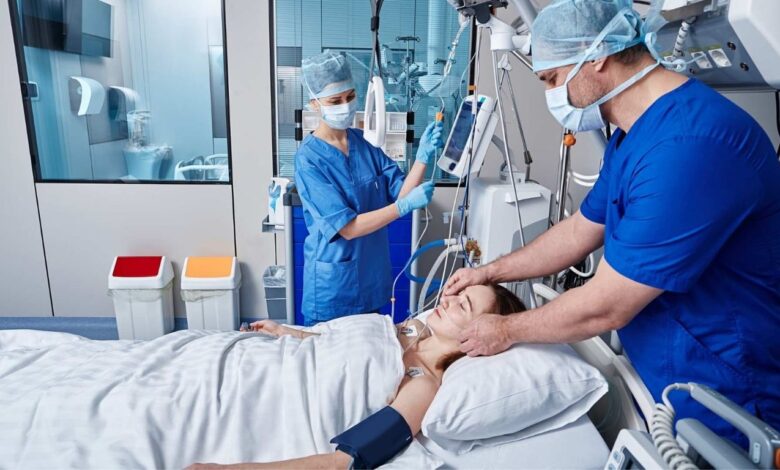
The Cardiovascular Intensive Care Unit, commonly known as CVICU, plays a critical role in modern healthcare. It is a highly specialized hospital unit designed to care for patients with severe heart and vascular conditions that require constant monitoring and advanced treatment. Unlike general intensive care units, this environment focuses specifically on cardiac stability, recovery after heart surgeries, and life-threatening cardiovascular events.
In today’s healthcare systems, the importance of a well-equipped CVICU continues to grow due to rising rates of heart disease, complex surgical procedures, and advanced life-support technologies. This article provides a comprehensive, expert-level explanation of CVICU, covering its purpose, patient types, staff roles, equipment, recovery process, and future developments. The content is structured for clarity, optimized for search engines, and written in a simple, human-friendly tone.
What Is CVICU and Why It Matters
The CVICU is a dedicated intensive care unit focused on patients suffering from critical cardiac and cardiovascular conditions. These patients often require continuous monitoring, advanced medications, and immediate medical intervention to stabilize heart function. The unit operates 24/7 and is staffed by professionals trained specifically in cardiac critical care.
One of the defining features of CVICU is its focus on both medical and surgical cardiac patients. Individuals recovering from open-heart surgery, heart valve replacement, or coronary artery bypass grafting are commonly treated here. Additionally, patients with severe heart failure, cardiogenic shock, or complex arrhythmias are admitted to ensure rapid response to any complications.
The importance of CVICU lies in its ability to provide specialized care that significantly improves survival rates. Heart conditions can change rapidly, and even minor complications can become life-threatening without immediate attention. The unit’s environment is designed to detect subtle changes in heart rhythm, blood pressure, and oxygen levels within seconds.
Beyond emergency care, CVICU also supports long-term recovery planning. Patients often begin their rehabilitation journey here, receiving guidance on medication management, lifestyle changes, and follow-up care. This integrated approach makes CVICU a cornerstone of modern cardiovascular medicine.
Types of Patients Treated in CVICU
Patients admitted to the CVICU often have complex and severe cardiovascular conditions that cannot be managed in a standard hospital ward. These individuals require constant observation, advanced life-support systems, and a highly skilled care team to ensure stability.
A significant portion of CVICU patients are post-operative cardiac surgery cases. These include individuals who have undergone coronary artery bypass surgery, heart valve repair or replacement, and aortic aneurysm repair. The immediate post-surgery period is critical, as complications such as bleeding, infection, or heart rhythm disturbances can arise quickly.
Another group of patients includes those experiencing acute cardiac events. This may involve massive heart attacks, unstable angina, or cardiogenic shock. These conditions demand aggressive treatment strategies, including intravenous medications, mechanical circulatory support, and rapid diagnostic testing.
Patients with advanced heart failure are also commonly treated in CVICU. These individuals may require inotropic support, ventricular assist devices, or evaluation for heart transplantation. Their care is complex and often involves coordination between multiple medical specialties.
In some cases, patients with severe pulmonary hypertension or life-threatening arrhythmias are admitted for intensive monitoring. The CVICU provides the safest environment for managing these unstable conditions, ensuring rapid intervention if complications occur.
The CVICU Healthcare Team and Their Roles
The effectiveness of a CVICU depends heavily on the expertise and coordination of its healthcare team. This multidisciplinary group works together to deliver precise, timely, and patient-centered care around the clock.
At the core of the team are cardiologists and cardiac intensivists. These physicians specialize in managing critically ill heart patients and are responsible for developing treatment plans, interpreting complex diagnostic data, and making rapid decisions in emergencies. Cardiac surgeons are also closely involved, particularly for post-operative patients.
Highly trained nurses form the backbone of CVICU care. They typically manage one or two patients at a time, allowing for close monitoring and immediate response to changes in condition. Their responsibilities include administering medications, managing life-support equipment, and providing emotional support to patients and families.
Respiratory therapists play a vital role in managing ventilators and oxygen therapy. Many CVICU patients require breathing assistance, especially after surgery or during severe heart failure. These specialists ensure optimal lung function and safe weaning from mechanical ventilation.
Additional team members include pharmacists, dietitians, physical therapists, and social workers. Each contributes to different aspects of recovery, from medication safety and nutrition to mobility and discharge planning. This collaborative approach ensures comprehensive care within the CVICU.
Advanced Equipment and Technology Used in CVICU
The CVICU is equipped with some of the most advanced medical technologies available in modern hospitals. These tools are essential for monitoring vital functions and supporting patients whose hearts are unable to function independently.
Continuous cardiac monitoring systems are a defining feature of CVICU. These systems track heart rhythm, heart rate, blood pressure, and oxygen saturation in real time. Alarms alert staff immediately to any abnormal changes, allowing for rapid intervention.
Mechanical circulatory support devices are frequently used in this setting. These include intra-aortic balloon pumps, ventricular assist devices, and extracorporeal membrane oxygenation systems. Such technologies temporarily support heart and lung function, giving the patient time to recover or await further treatment.
Infusion pumps are another critical component of CVICU care. They deliver precise doses of medications such as vasopressors, anticoagulants, and antiarrhythmic drugs. Accuracy is essential, as even small dosing errors can have serious consequences for cardiac patients.
Advanced imaging and diagnostic tools are also readily available. Bedside echocardiography, portable X-ray machines, and invasive hemodynamic monitoring devices help clinicians assess heart function without moving critically ill patients. Together, these technologies make CVICU a highly controlled and responsive care environment.
Daily Care, Monitoring, and Recovery Process
Life inside the CVICU follows a structured routine designed to ensure patient safety and promote recovery. Every aspect of care is carefully planned and continuously evaluated by the healthcare team.
Patients typically undergo frequent assessments throughout the day and night. Vital signs, fluid balance, neurological status, and heart function are closely monitored. This constant observation allows clinicians to identify potential complications early and adjust treatment plans accordingly.
Medication management is a central component of daily care. Many patients receive complex drug regimens that require careful titration. Nurses and physicians work together to balance medications that support heart function while minimizing side effects and interactions.
As patients stabilize, the focus gradually shifts toward recovery and rehabilitation. This may include reducing dependence on life-support devices, initiating physical therapy, and encouraging gentle movement. Even small activities, such as sitting up in bed, can play a significant role in improving outcomes.
Family involvement is also encouraged when appropriate. Educating loved ones about the patient’s condition, treatment plan, and recovery expectations helps reduce anxiety and prepares them for the transition out of CVICU. This holistic approach supports both physical healing and emotional well-being.
How CVICU Differs from Other Intensive Care Units
While all intensive care units provide advanced medical support, CVICU is distinct in its exclusive focus on cardiovascular conditions. This specialization influences everything from staffing and equipment to treatment protocols.
General ICUs care for patients with a wide range of critical illnesses, including trauma, infections, and neurological emergencies. In contrast, CVICU concentrates solely on heart and vascular health. This allows staff to develop deep expertise in managing complex cardiac issues.
The equipment used in CVICU is specifically tailored to cardiovascular monitoring and support. Devices such as pulmonary artery catheters and mechanical heart pumps are commonly used, whereas they may be less frequent in other ICUs.
Another key difference lies in patient flow. CVICU often works closely with cardiac operating rooms and catheterization labs. Patients may be transferred directly from surgery to the unit, requiring seamless coordination between teams.
This specialized focus results in improved outcomes for heart patients. Studies consistently show that dedicated cardiac intensive care environments provide better survival rates, fewer complications, and more efficient recovery compared to non-specialized units.
Future Trends and Innovations in CVICU Care
The field of CVICU continues to evolve as medical science advances and new technologies emerge. Innovations are reshaping how cardiac critical care is delivered, with a strong emphasis on precision, efficiency, and patient-centered outcomes.
One major trend is the increased use of artificial intelligence and data analytics. Advanced algorithms can analyze continuous monitoring data to predict complications before they occur. This proactive approach has the potential to significantly reduce mortality and length of stay in CVICU.
Minimally invasive cardiac procedures are also influencing CVICU care. As surgical techniques improve, patients experience less trauma and faster recovery times. This shift allows for earlier mobilization and reduced dependence on life-support systems.
Telemedicine is becoming increasingly important, particularly in hospitals with limited access to cardiac specialists. Remote monitoring and virtual consultations enable expert input in real time, improving care quality across different healthcare settings.
Finally, there is growing recognition of the importance of emotional and psychological support for CVICU patients. Future care models are likely to integrate mental health services more fully, addressing anxiety, depression, and post-intensive care syndrome as part of comprehensive cardiac recovery.
Frequently Asked Questions About CVICU
What does CVICU stand for?
CVICU stands for Cardiovascular Intensive Care Unit. It is a specialized hospital unit dedicated to treating critically ill patients with heart and vascular conditions.
How long do patients usually stay in CVICU?
The length of stay varies depending on the patient’s condition. Some patients remain for only a few days after surgery, while others with complex heart failure may require longer monitoring.
Is CVICU only for surgical patients?
No, CVICU treats both surgical and non-surgical patients. Individuals with severe heart attacks, arrhythmias, or heart failure are also commonly admitted.
Can family members visit patients in CVICU?
Yes, most hospitals allow family visits, though visiting hours and policies may vary. Staff often encourage family involvement while ensuring patient safety.
What kind of doctors work in CVICU?
CVICU teams include cardiologists, cardiac intensivists, cardiac surgeons, and other specialists trained in cardiovascular critical care.
What happens after a patient leaves CVICU?
After stabilization, patients are usually transferred to a step-down cardiac unit or regular hospital ward, where recovery and rehabilitation continue.
Conclusion
The CVICU is a vital component of modern healthcare, providing life-saving care to patients with the most serious cardiovascular conditions. Through specialized staff, advanced technology, and a patient-centered approach, this unit plays a crucial role in improving survival and recovery outcomes. Understanding how CVICU functions helps patients and families feel more informed and confident during challenging medical journeys.