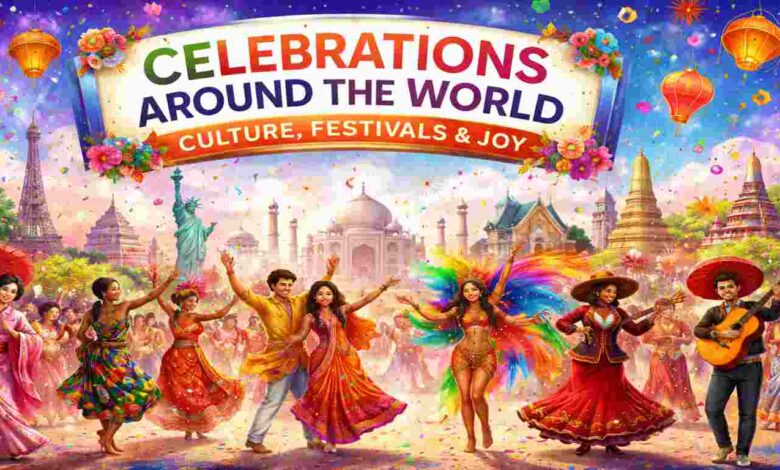
Introduction: Why Celebrations Around the World Matter
Celebrations are an important part of human life. People in every country celebrate special days with family, friends, and their communities. These celebrations may be religious, cultural, or national. They help people express happiness, gratitude, and unity. Celebrations around the world show the beauty of different cultures and traditions. Every festival has its own meaning and story. Some celebrations honor history. Others celebrate the change of seasons or religious beliefs.
When people celebrate together, they feel connected. These events create memories and strengthen relationships. Festivals also allow people to learn about cultures different from their own. Today, because of travel and the internet, people can see and learn about celebrations from many countries. This helps build respect, understanding, and global friendship.
What Are Cultural Celebrations?
Cultural celebrations are events that represent the traditions and values of a community. They often include food, music, dance, clothing, and special ceremonies. These celebrations usually come from history, religion, or local customs. Many traditions have been followed for hundreds of years. Families pass them from one generation to another.
For example, the festival of Diwali celebrates light and hope. The holiday of Christmas celebrates the birth of Jesus Christ. The festival of Chinese New Year welcomes the new year based on the lunar calendar. Cultural celebrations help people remember their roots and identity. They show what a community values and believes in. This is why festivals are important in every society.
The Role of Festivals in Different Cultures
Festivals play a strong role in many cultures. They bring people together and create joy in communities. During festivals, people forget their daily stress and enjoy time with loved ones. One important role of festivals is preserving cultural heritage. Traditional songs, dances, and clothing are often shown during celebrations. This helps younger generations learn about their culture.
Festivals also support social unity. People from different backgrounds often celebrate together. This builds friendship and cooperation. In many places, festivals are also linked to nature and seasons. Some celebrate harvest time, while others welcome spring or the new year. Overall, festivals remind people that life should include joy, gratitude, and shared experiences.
Also Read: Teckjb com: Simple Tech Guide And More 2026
Popular Celebrations Around the World
Many celebrations are known around the world. Some are celebrated in many countries, while others belong to a specific culture.
Christmas – A Global Celebration of Joy
Christmas is one of the most famous celebrations in the world. It is celebrated every year on December 25. The holiday celebrates the birth of Jesus Christ. However, many people celebrate it as a cultural festival even if they are not Christian. Families decorate Christmas trees and homes with lights. People exchange gifts and share special meals. Children often look forward to the story of Santa Claus. The spirit of Christmas is about love, kindness, and generosity.
Chinese New Year – Welcoming the Lunar New Year
Chinese New Year is one of the biggest festivals in Asia. It marks the beginning of the lunar new year. The celebration usually lasts about fifteen days. People decorate homes with red lanterns and banners. Fireworks are also common because they are believed to bring good luck. Families gather for large meals and exchange red envelopes with money inside. Each year is connected to an animal from the Chinese zodiac. The festival represents new beginnings, luck, and prosperity.
Diwali – The Festival of Lights
Diwali is a major festival in India and among Hindu communities around the world. It is known as the festival of lights. During this time, people light small oil lamps called diyas and decorate their homes with colorful lights. The festival celebrates the victory of good over evil and light over darkness. Families share sweets, pray together, and enjoy fireworks. Diwali represents hope, positivity, and spiritual victory.
Carnival in Rio de Janeiro – Brazil’s Biggest Festival
Carnival in Rio de Janeiro is one of the most exciting celebrations in the world. It takes place every year in Brazil before the season of Lent. The festival is famous for its colorful parades, music, and dancing. Samba schools perform large dance shows with beautiful costumes. Thousands of people join street parties across the city. Visitors from many countries travel to Brazil to experience this celebration. Carnival is a symbol of energy, creativity, and cultural pride.
Eid al-Fitr – A Major Islamic Celebration
Eid al-Fitr is one of the most important celebrations for Muslims. It marks the end of the holy month of Ramadan, a time when Muslims fast during the day. After a month of fasting and prayer, people celebrate with family and friends. On this day, Muslims attend special prayers at mosques. They also give charity to help those in need. Families prepare delicious food and visit relatives. Children often receive gifts or money. Eid al-Fitr represents gratitude, generosity, and community spirit.
Unique and Lesser-Known Celebrations Around the World
Besides famous festivals, many countries have unique celebrations that are less known but very interesting.
La Tomatina – Spain’s Famous Tomato Fight
La Tomatina is held every year in Spain. During this festival, thousands of people throw tomatoes at each other. The event takes place in the town of Buñol. Trucks bring large amounts of tomatoes to the streets. People enjoy the fun and laughter of the tomato fight. After the event, the streets are cleaned and the celebration ends with music and food. La Tomatina is known for its playful and unusual style.
Songkran – Thailand’s Water Festival
Songkran is the traditional New Year celebration in Thailand. The festival is famous for its water fights. People splash water on each other in the streets. This symbolizes washing away bad luck and welcoming a fresh start. Families also visit temples and spend time together. Water is also gently poured over statues of Buddha as a sign of respect. Songkran is joyful, refreshing, and full of positive energy.
Holi – India’s Festival of Colors
Holi is one of the most colorful festivals in the world. During this celebration, people throw colored powder and water at each other. The streets become bright with many colors. Music, dancing, and sweets are part of the celebration. Holi marks the arrival of spring and the victory of good over evil. The festival promotes happiness, forgiveness, and friendship.
How Different Countries Celebrate in Unique Ways
Every country has its own style of celebration. Culture, climate, and history influence how people celebrate. Food is often a big part of festivals. Special dishes are prepared only during certain celebrations. These foods carry deep cultural meaning. Music and dance are also common. Traditional songs and instruments create a festive atmosphere. Clothing is another important element. People wear traditional outfits that represent their heritage. These unique customs make each celebration special and memorable.
Celebrations That Attract Tourists Worldwide
Many festivals attract tourists from around the world. Travelers often plan trips to experience famous celebrations. Festivals such as Carnival, Diwali, and Chinese New Year bring millions of visitors every year. Tourists enjoy the colors, music, food, and traditions. These events also help local economies. Hotels, restaurants, and shops benefit from the large number of visitors. For travelers, festivals provide a chance to experience culture in a real and exciting way.
How Global Celebrations Are Changing in Modern Times
Modern technology has changed the way people celebrate. Social media allows festivals to be shared with the world. People can watch celebrations online even if they are far away. This helps traditions become more global. However, some communities try to protect traditional practices. They want to keep the original meaning of their festivals. Today, many celebrations combine old traditions with modern styles.
Tips for Experiencing Celebrations Around the World
If you want to experience global festivals, planning is important. First, learn about the meaning of the celebration. Understanding the culture helps you respect local traditions. Second, follow local customs and dress appropriately if needed. Third, try local foods and participate in activities respectfully. Most importantly, keep an open mind. Festivals are a great opportunity to learn, connect, and enjoy new cultures.
Why Learning About Global Celebrations Is Important
Learning about celebrations around the world helps people understand each other better. When we learn about different traditions, we develop respect for other cultures. This reduces misunderstandings and promotes peace. Celebrations also remind us that people everywhere share similar values. Joy, family, gratitude, and community are universal human experiences. By exploring global festivals, we gain knowledge and appreciation for the diversity of our world.
Conclusion: The Beauty of Celebrations Around the World
Celebrations are a beautiful part of human life. From colorful festivals to religious holidays, they show the diversity of cultures around the world. These events bring people together and create happiness. They preserve traditions and teach younger generations about their heritage. Whether it is Christmas, Diwali, Carnival, or Eid, each celebration carries a special message.
Celebrations around the world remind us that joy, culture, and unity connect all people across the globe.